點揭模式:空白處點一下就顯示該格答案,再點可藏起。適合投影提問。Click mode: tap a blank to reveal that answer; tap again to hide it. Useful when projecting questions.
畫筆已開:可在筆記任何位置書寫。關閉畫筆後才可捲動、放大、點揭或開連結。筆跡會跟住文字,放大縮小都不會走位。寫完請按「分享」,在 iPad 選郵件寄出。Pen is on: write anywhere on the notes. Turn the pen off to scroll, pinch-zoom, tap blanks, or open links. Ink stays glued to the text when you zoom. When finished, tap Share and choose Mail on iPad.
HTMS 經濟科課堂筆記 | 編輯:Mr. Sam Wong | 重要聲明:本課堂筆記僅供已購買課本之學生使用,並僅限內部參考。HTMS Economics Lesson Notes | Editor: Mr. Sam Wong
Important: These lesson notes are intended only for students who have purchased the textbook and are for internal use only.
第 2 章 三個基本經濟問題Chapter 2 The three basic economic problems
對齊新版 UPEP《活用經濟學 1》第 2 章(2.1–2.6)。機會成本、物品分類與利息已在第 1 章,本章不再重教。 Aligned with UPEP Economics in Action 1 Chapter 2 (sections 2.1–2.6). Opportunity cost, types of goods and interest belong to Chapter 1.
學習重點Learning focus
讀完本章,應能:
After this chapter you should be able to:
2.1 三個基本經濟問題The three basic economic problems
由於存在稀少性,我們必須決定如何把稀少資源用來滿足無窮的慾望。所有關於資源分配和物品分配的決定,都牽涉三個基本經濟問題。
In the face of scarcity, we need to decide how to use scarce resources to satisfy unlimited wants. All decisions on the allocation of resources and the distribution of goods involve the three basic economic problems.
稀少性Scarcity
引致causes
三個基本經濟問題Three basic economic problems
A
生產甚麼?What to produce?
類型 + 數量Types + quantities
B
如何生產?How to produce?
生產方法Production methods
C
為誰生產?For whom to produce?
分配準則Distribution criteria
A. 生產甚麼?What to produce?
「生產甚麼」問題是指選擇物品和服務的類型和數量。
The problem of ‘what to produce’ refers to the choice of the types and quantities of goods and services to produce.
面對稀少性,有限資源只能滿足部分慾望,所以必須決定生產哪些物品和服務、生產多少。
Facing scarcity, we can only use limited resources to satisfy some wants. We have to decide what and how many goods and services to produce.
課堂例子:請茶要賣甚麼Class example: what Try Tea should sell
樂澄在請茶兼職。店舖地方細,不能每樣都做:多做珍珠奶茶,就要少做檸檬茶。這是「生產甚麼」——選類型(珍奶還是檸檬茶)和數量(各做多少杯)。同一塊地若只夠建球場或醫院其中一樣,也是「生產甚麼」。
Chloe works at Try Tea. The shop is small, so more bubble tea means less lemon tea. That is ‘what to produce’: the type (bubble tea or lemon tea) and the quantity. The same logic applies if a parcel of land is only big enough for a stadium or a hospital.
B. 如何生產?How to produce?
「如何生產」問題(也稱「怎樣生產」)是指選擇生產方法。
The problem of ‘how to produce’ (also ‘in what way to produce’) refers to the choice of production methods.
面對稀少性,會選成本最低的方法,以生產盡量多的物品和服務。這包括:
Because of scarcity, the least costly production method is chosen to produce as many goods and services as possible. This involves the choices of:
- 生產要素(例如勞力和資本;詳見第 4 章)
- factors of production (e.g. labour and capital; see Chapter 4)
- 生產時間和地點(例如在本地還是海外生產)
- production time and venues (e.g. produce locally or overseas)
- 生產策略/技術(例如分工、勞力密集或資本密集)
- production strategies / techniques (e.g. division of labour, labour intensive or capital intensive)
課堂例子:請茶怎樣沖茶Class example: how Try Tea makes drinks
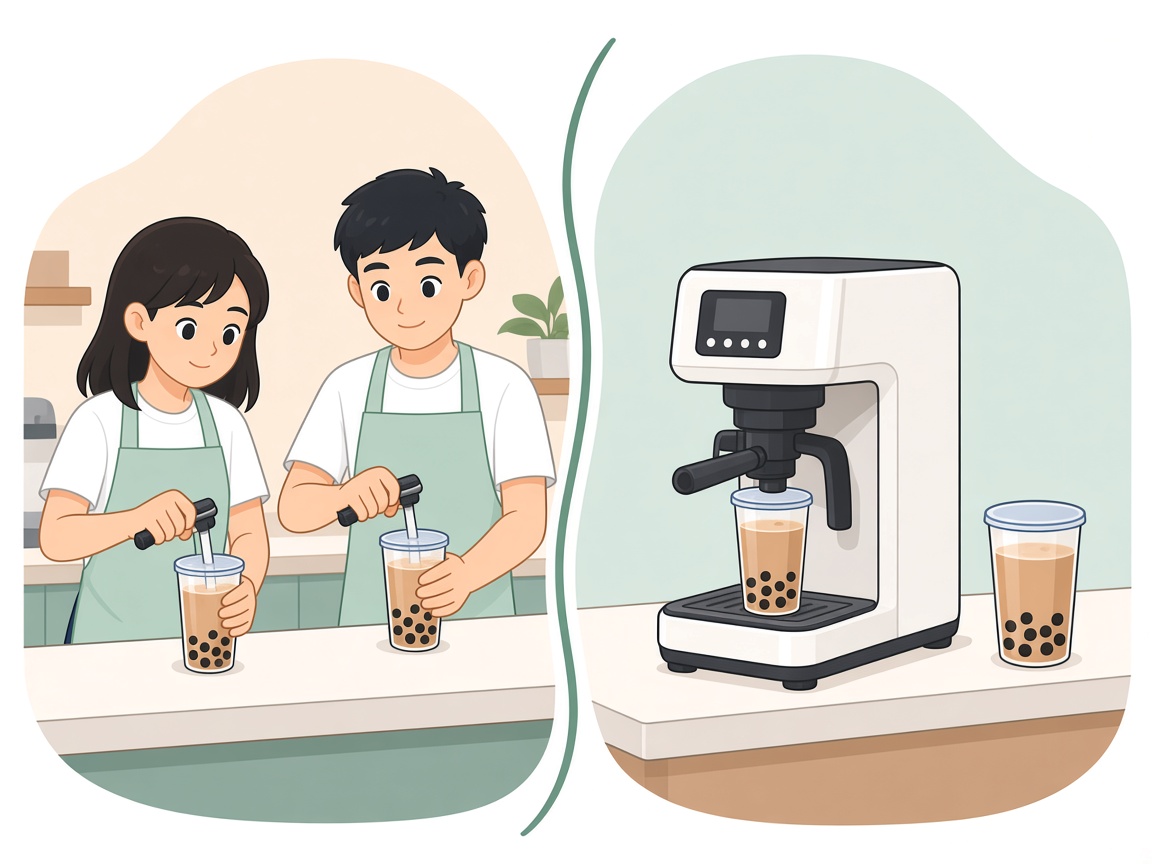
請茶可請多兩個兼職(勞力密集),或買自動封杯機(資本密集)。賣的仍是珍珠奶茶,改的是方法。
Try Tea can hire two more part-timers (labour intensive) or buy an automatic sealer (capital intensive). The drink is the same; the method changes.
課堂例子:外勞起樓Class example: who builds the flats

政府用外勞起樓,而不是只用本地工人。建成的仍是樓,改的是誰來做、怎樣做——這是「如何生產」。
Importing construction workers to build flats, instead of using only local labour, is also ‘how to produce’: the building is the same, the method changes.
課堂例子:在哪裏組裝手機Class example: where phones are assembled
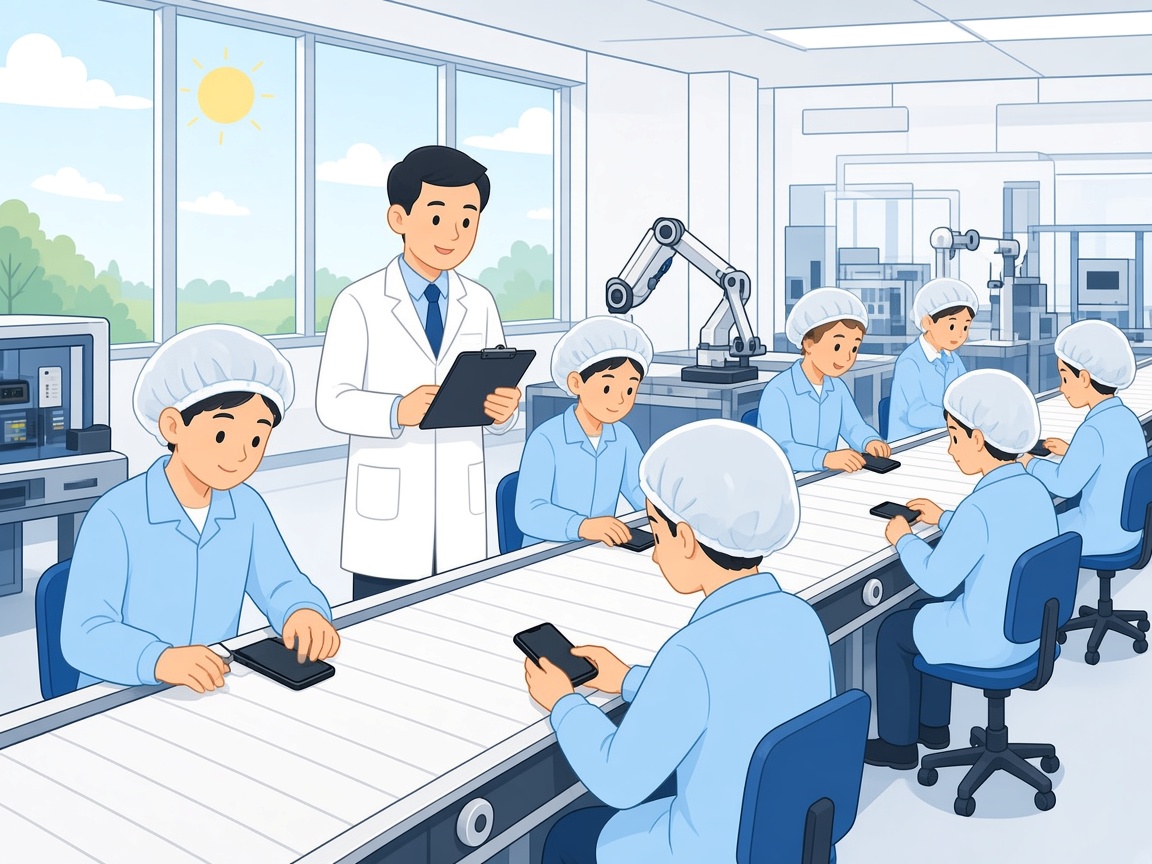
把組裝外判到印度,而不是在美國組裝。賣的仍是同一部手機,改的是生產地點和方法,不是賣甚麼、賣給誰。
Assembling phones in India rather than the US is ‘how to produce’: the venue and method change, not what is sold or who may buy it.
C. 為誰生產?For whom to produce?
「為誰生產」問題是指選擇決定誰可享受物品和服務的準則。
The problem of ‘for whom to produce’ refers to the choice of criteria for who can enjoy the goods and services.
由於稀少性,現有物品和服務不能滿足所有人的慾望,必須訂立準則來分配。準則可以是產品價格、人們的收入、生產者的偏好、投票等。
Because of scarcity, existing goods and services cannot satisfy everyone’s wants, so criteria are needed. Criteria include product prices, people’s income, producers’ preference, voting, etc.
課堂例子:誰喝得到最後兩杯Class example: who gets the last two cups
放學後請茶只剩兩杯。可以用價格(誰付得起加價)、先到先得(誰先排隊)、或只賣給本校學生。準則一改,能喝到的人就不同——這是「為誰生產」。
After school Try Tea has two cups left. It can use price (who will pay more), first-come first-served (who queues), or ‘students of this school only’. Change the criterion and a different person gets the drink — that is ‘for whom to produce’.
書上的分配準則例子:名牌手袋定價 $100,000(價格);政府拍賣土地給最高出價者(出價);房委會為公屋訂入息及資產限額(由 2025 年 4 月 1 日起,二人家庭每月入息上限 $20,230)。
Textbook criteria: a luxury handbag priced at $100,000 (price); government land sold to the highest bidder; the Hong Kong Housing Authority’s income and asset limits for public rental housing (from 1 April 2025, the monthly income limit for a two-person family is $20,230).
應試攻略 2.1:有些情況涉及多於一個基本經濟問題
Exam Tips 2.1: Some cases involve more than one economic problem
先在題幹標三類字
Mark three kinds of wording in the stem
| 題幹字眼Wording in the stem | 對應問題Problem |
|---|---|
| 類型/數量Types / quantities | 生產甚麼What |
| 方法、地點、用誰、用甚麼機器Method, venue, who is employed, which machine | 如何生產How |
| 誰合資格、誰可享受、限額、免費給誰Who is eligible, who may enjoy, a quota, who gets it free | 為誰生產For whom |
沒提及的問題不要硬加
Do not add a problem the stem never mentions
書例:慈善基金會撥款為甲國農村 18 歲以下女孩興建學校。
Book case: a charity foundation announces a donation to build a school for girls under 18 in a rural area of Country A.
| 題幹寫了甚麼What the stem states | 涉及?Involved? |
|---|---|
| 興建學校Building a school | 生產甚麼What to produce |
| 18 歲以下、住在該區的女生Girls under 18 in that area | 為誰生產For whom |
| 計劃沒有提及生產方法No production method is mentioned | 「如何生產」不涉及‘How to produce’ is not involved |
正確Correct
只圈題幹寫到的那些問題。
Tick only the problems the stem actually states.
易錯Trap
看見「興建」就自動加「如何生產」,或看見「學校」就當三題全中。
Adding ‘how’ just because something is built, or ticking all three whenever you see a school.
小練習 2.1AQuick check 2.1A
題 1Q1
請茶決定本週少做檸檬茶、多做珍珠奶茶。這是哪一個基本經濟問題?
Try Tea decides to make fewer lemon teas and more bubble teas this week. Which basic economic problem is this?
答案:生產甚麼
Answer: what to produce
改的是物品的類型和數量,不是沖茶方法,也不是誰可以買。
The type and quantity of drinks change, not the method or who may buy.
題 2Q2
學校飯堂改用自動打飯機,少請一個兼職。這是哪一個基本經濟問題?
The canteen installs a rice machine and hires one fewer part-timer. Which basic economic problem is this?
答案:如何生產
Answer: how to produce
改的是生產方法(資本代替勞力),不是賣甚麼飯、也不是誰可打飯。
The production method changes (capital instead of labour), not the menu or who may eat.
題 3Q3
巴士公司計劃把車費加 9%。這是哪一個基本經濟問題?
A bus firm plans to raise fares by 9%. Which basic economic problem is this?
答案:為誰生產
Answer: for whom to produce
改的是誰付得起、誰可乘車的準則(價格),不是開哪條線、也不是用哪種巴士。
The fare changes who can afford to ride (the criterion), not which route or which type of bus.
題 4Q4
放學後校門派免費報紙,先到先得。這是哪一個基本經濟問題?
Free newspapers are handed out at the school gate, first-come first-served. Which basic economic problem is this?
答案:為誰生產
Answer: for whom to produce
準則決定誰可拿到報紙。先到先得是分配準則,不是生產方法。
The criterion decides who may have a copy. First-come first-served is a distribution rule, not a production method.
公開試題 HKDSE 2022,卷一,題 1Public Exam HKDSE 2022 Paper 1 Q1
課本 p.5Textbook p. 5參考以下有關新冠肺炎疫苗接種計劃的資料。
1. 所有居民可以免費參加該計劃。
2. 政府在一些政府大樓設立了疫苗接種中心,並調派公務員往中心工作。
以上資料和經濟學中的 ________ 問題有關。
(1) 「生產甚麼」
(2) 「如何生產」
(3) 「為誰生產」
A. 只有 (3)
B. 只有 (1)、(2)
C. 只有 (1)、(3)
D. 只有 (2)、(3)
Refer to the following information of the COVID-19 vaccination programme.
All residents are eligible for joining the programme free-of-charge.
The government has set up vaccination centres in some government buildings and deployed civil servants to work in these centres.
The above information is related to the ________ question(s) in Economics.
(1) ‘what to produce’
(2) ‘how to produce’
(3) ‘for whom to produce’
A. (3) only
B. (1) and (2) only
C. (1) and (3) only
D. (2) and (3) only
答案:D
Answer: D
小測試 2.1Quiz 2.1
課本 p.6Textbook p. 6識別以下個案所涉及的基本經濟問題。
Identify the types of basic economic problems in the following cases.
(a)一家巴士公司向所有 65 歲以上乘客提供三折優惠。
(a) A bus company offers a 70% discount to passengers above 65 years old.
答案:為誰生產
Answer: for whom to produce
(b)一家製衣廠運用人工智能來降低生產成本。
(b) A garment factory uses artificial intelligence (AI) to lower the cost of production.
答案:如何生產
Answer: how to produce
(c)大館(即修復後的中區警署)轉型為古蹟及藝術館。
(c) Tai Kwun, the restored Central Police Station, is turned into a centre for heritage and arts.
答案:生產甚麼
Answer: what to produce
(d)一家餐廳向生日當天光顧的顧客免費提供生日蛋糕。
(d) A restaurant offers diners free birthday cakes on their birthdays.
答案:為誰生產
Answer: for whom to produce
2.2 社會如何解決基本經濟問題How society tackles the basic economic problems
A. 解決經濟問題的方法Methods of tackling economic problems
社會可用三種方法解決三個基本經濟問題。同一社會往往不止用一種。
Society can tackle the three problems in three ways. Most societies do not use only one method.
① 通過風俗和慣例By customs and traditions
人們可按風俗和慣例來解決經濟問題。
Economic problems can be tackled by customs and traditions.
| 問題Problem | 書例Textbook example | 課堂例子Class example |
|---|---|---|
| 生產甚麼What | 新年賣揮春;兒子繼承父親的麵店Shops sell Fai Chun at Chinese New Year; a son continues his father’s noodle shop | 農曆年飯堂加年糕;畢業禮必備歌The canteen adds new-year cake at Lunar New Year |
| 如何生產How | 傳統廠用天然釀造豉油;老店按家傳食譜Traditional factories brew soy sauce naturally; restaurants use family recipes | 家政課仍用手搓湯圓,不用機器Home Economics still rolls rice balls by hand |
| 為誰生產For whom | 新界部分原居民村落節慶只派燒肉給男性;已婚者派利是給未婚者Some indigenous villages distribute roast pork only to males; married people give red packets to the unmarried | 年夜飯先夾菜給長輩Elders are served first at reunion dinner |
② 通過政府指令By government command
政府有時在資源分配和物品分配上擔當重要角色。
Sometimes the government plays an important role in deciding the allocation of resources and the distribution of goods and services.
- 生產甚麼:房委會計劃在 2023/24 至 2027/28 年度興建至少 11 萬個公屋單位;醫管局計劃在啟德發展區興建急症醫院。
- What: the Housing Authority plans at least 110,000 public rental flats from 2023/24 to 2027/28; the Hospital Authority plans an acute hospital in the Kai Tak Development Area.
- 如何生產:填海造人工島(明日大嶼);政府收費隧道改用「易通行」不停車繳費。
- How: reclaiming land for artificial islands (Lantau Tomorrow); replacing booths with HKeToll at government-tolled tunnels.
- 為誰生產:二元優惠合資格年齡降至 60 歲;綜援設入息及資產限額。
- For whom: the $2 Scheme eligible age was lowered to 60; CSSA has income and asset limits.
③ 通過市場機制By market mechanism
在市場機制(也稱價格制度,詳見第 10 章)下,市場價格是引導資源分配和物品分配的信號。生產者和消費者按市場價格作決定。
Under the market mechanism (also the price system; see Chapter 10), the market price is the signal that guides the allocation of resources and the distribution of goods and services. Producers and consumers decide according to market prices.
無形之手The invisible hand
亞當·斯密(Adam Smith, 1723–1790)提出:在市場經濟中,個人追求自身利益,可以在沒有中央操控下使社會整體得益。書上把這隻「無形之手」放在本章開首。
Adam Smith (1723–1790) argued that in a market economy, people pursuing their own interest can benefit society as a whole without central control. The textbook places this ‘invisible hand’ on the chapter opener.
- 生產甚麼:更多人喜歡在咖啡店見面 → 市場上咖啡店增加;人們更注重健康 → 廠商生產更多健康和有機食品。
- What: more people meet in cafes → more cafes; people become more health-conscious → more healthy and organic food.
- 如何生產:餐廳用機械人送餐;Google Health 用人工智能做醫療診斷。
- How: restaurants use robots for delivery; Google Health used AI in medical diagnostics.
- 為誰生產:付得起價格的人才得到智能手機;達文西《救世主》2017 年拍賣逾 4.5 億美元。
- For whom: only those who can afford the price get a smartphone; Salvator Mundi sold for over US$450 million in 2017.
小測試 2.2Quiz 2.2
課本 p.8Textbook p. 8在香港,下列物品和服務是如何分配的?(可多於一項)
How are the following goods and services distributed in Hong Kong? (More than one method may apply.)
(a)教育服務:政府指令、市場價格
(a) Educational services: government command, market price
(b)醫療服務:政府指令、市場價格
(b) Medical services: government command, market price
(c)興建丁屋的權利:風俗和慣例
(c) The right to build a concessionary house: customs and traditions
(d)豪宅:市場價格
(d) Luxury properties: market price
B. 經濟體系的類型Types of economies
按主要用來解決三個基本經濟問題的方法,經濟體系(有時簡稱經濟)可分為三類。表內反覆出現「主要」——不是「全部」。
Economies (sometimes just called an economy) are classified by the method they mainly use — not the only method they ever use.
| 經濟體系Economy | 主要方法Main method |
|---|---|
| 傳統經濟Traditional economy | 風俗和慣例Customs and traditions |
| 計劃經濟(也稱指令經濟)Planned economy (also command economy) | 政府指令Government command |
| 市場經濟(也稱市場主導經濟)Market economy (also market-oriented economy) | 市場機制Market mechanism |
應試攻略:書上分成三類,現實多用多於一種方法
Exam tip: the book names three types; real societies often use more than one method
不要自創「第四類」去取代書上的三類
Do not replace the three types with a fourth official class
書上按主要方法分成傳統、計劃、市場。實際上,大多數社會都不會只運用一種方法。民生必需、難有盈利的項目常有政府指令;其他物品多用市場價格。國情 360 把中國內地稱為混合經濟模式(社會主義市場經濟),那是說明「兩種方法並用」,不是多了一個與書表平行的第四格。
The book classifies economies by the method they mainly use: traditional, planned, market. In practice, most societies do not use only one method. Necessities that are hard to run at a profit often go by government command; many other goods go by market price. China 360 calls the mainland a mixed economy (a socialist market economy) to show both methods at work — not to add a fourth official box beside the table.
- 正確:香港主要是市場經濟,但仍有公屋、公立醫院等政府指令。
- Correct: Hong Kong is mainly a market economy, but public rental housing and public hospitals still use government command.
- 易錯:寫「現今只有混合經濟,所以不用分三類」或「轉型為市場就一定更有效率/一定貧富懸殊」。
- Trap: writing that only mixed economies exist so the three types do not matter, or that a switch to the market must raise efficiency or widen the income gap.
| 市場經濟Market economy | 計劃經濟Planned economy | |
|---|---|---|
| 資源主要由誰擁有Resources mainly owned by | 私人(住戶或廠商)Private individuals (households or firms) | 國家The state |
| 經濟決策主要由誰作出Decisions mainly made by | 私人Private individuals | 政府The government |
| 資源分配主要由甚麼引導Resource allocation mainly guided by | 市場價格Market prices | 政府指令Government command |
| 物品和服務的分配主要由甚麼引導Distribution mainly guided by | 市場價格Market prices | 政府指令Government command |
計劃經濟的特點是大部分資源由政府分配,不是「大部分生產活動由政府官員親手做」。市場經濟裡政府仍可規管商業活動;也不是所有資源的私有產權都獲清晰界定。經濟表現和收入分配與經濟體系類型沒有必然關係——不要寫「轉型為市場就一定貧富懸殊/失業上升/不再有稀少性」。
A planned economy means most resources are allocated by the government, not that officials themselves carry out most production. In a market economy the government may still regulate business; private property rights of all resources need not be well-defined. Economic performance and income distribution are not necessarily tied to the type of economy — do not write that a switch to the market must widen the income gap, raise unemployment, or end scarcity.
國情 360 中國內地的經濟體系China 360 The economy of the mainland of China
課本 p.27Textbook p. 28現時中國內地奉行混合經濟模式(稱為社會主義市場經濟)。以公有制為主體,同時容許私營企業;法律界定和保障私有產權,鼓勵市場交易。不少商品由市場價格分配,政府也通過指令引導資源,例如樓價過高時限制地產商借貸、調整貸款利率。轉型前政府發糧票等供應票證分配資源;其後引入價格機制,由市場供需決定商品價格。
The mainland of China currently operates as a mixed economy (a socialist market economy). Public ownership is the mainstay, while private enterprises are allowed; the law defines and protects private property rights and encourages market exchange. Many goods are allocated by market prices, but the government also guides allocation by command — for example restricting developers’ borrowing and adjusting loan rates when property prices are high. Before the transition, ration coupons (grain coupons) allocated resources; later the price mechanism let supply and demand set prices.
小練習 2.2Quick check 2.2
題 1Q1
房委會公布未來五年公屋興建量。這主要是哪一種解決方法?
The Housing Authority announces how many public-rental flats to build in the next five years. Which method is this?
答案:政府指令
Answer: government command
數量由政府決定,不是由市價或過年習俗決定。
The quantity is set by the government, not by market price or a festival custom.
題 2Q2
「計劃經濟即政府官員負責大部分生產。」對不對?
‘In a planned economy, government officials carry out most production.’ True or false?
答案:不對
Answer: False
特點是大部分資源由政府分配/指令,不是官員親手做大部分生產。
The feature is that most resources are allocated by government command, not that officials themselves do most of the producing.
小測試 2.3Quiz 2.3
課本 p.9Textbook p. 9(a)在市場經濟中,所有基本經濟問題都是由價格解決。(正確/錯誤)
(a) All basic economic problems are solved by prices in a market economy. ( True / False )
答案:錯誤
Answer: False
(b)在計劃經濟中,大部分生產活動都是由政府官員來執行。(正確/錯誤)
(b) Most production activities are carried out by government officials in a planned economy. ( True / False )
答案:錯誤
Answer: False
(c)在市場經濟中,政府在監管商業活動方面擔當一定的角色。(正確/錯誤)
(c) The government plays a role in regulating business activities in a market economy. ( True / False )
答案:正確
Answer: True
(d)市場經濟的收入差距比計劃經濟大。(正確/錯誤)
(d) The income difference among people is greater in a market economy than in a planned economy. ( True / False )
答案:錯誤
Answer: False
(e)只有在市場經濟中,人們才需要為物品和服務進行激烈競爭。(正確/錯誤)
(e) People need to compete keenly for goods and services only in a market economy. ( True / False )
答案:錯誤
Answer: False
2.3 專門化、交易和私有產權Specialisation, exchange and private property rights
市場機制是最常用來解決基本經濟問題的方式。它牽涉三個重要概念:專門化、交易和私有產權。
Market mechanism is the most common way to tackle the basic economic problems. Three ideas sit behind it: specialisation, exchange and private property rights.
A. 專門化Specialisation
專門化是指不同的人或經濟體系集中生產不同物品,或集中從事某物品的不同生產工序。
Specialisation occurs when different people or economies focus on producing different goods or different production stages of a good.
在指定數量的資源下,如人們或經濟體系按各自的優勢專門生產某些物品,整體產量就會增加。
With a given amount of resources, by specialising according to people’s or economies’ advantages, total output will increase.
課堂例子Class example
請茶:樂澄專心調茶,文諾專心收錢和抹枱——同一店內按工序專門化。書例:馬爾代夫專門從事旅遊業,沙特阿拉伯專門生產石油;高科技電子產品由不同人士負責不同工序。
At Try Tea, Chloe only makes drinks while Marcus only takes payment and wipes tables — specialisation by stage. The book: the Maldives specialises in tourism, Saudi Arabia in oil; high-tech electronics are split into stages done by different people.
B. 交易Exchange
交易是指買與賣的活動。它可在使用或不使用貨幣的情況下進行。
Exchange refers to the activity of buying and selling. It takes place with or without the use of money.
在不使用貨幣的情況下,直接以物品或服務進行的交易,稱為以物易物。
The direct exchange of goods or services without the use of money is called barter.
課堂例子:筆記換珍奶Class example: notes for bubble tea
家明用經濟科筆記跟欣怡換兩杯請茶——沒有貨幣,仍是交易(以物易物)。書上的漫畫也是筆記換兩罐可樂。
Ka Ming swaps his economics notes for two Try Tea drinks from Yan — still exchange, without money (barter). The book’s cartoon is notes for two cans of coke.
C. 私有產權Private property rights
私有產權是指對私有財產的獨有使用權、收入專屬權及轉讓權。
Private property rights refer to the exclusive right to use, the exclusive right to receive income from, and the right to transfer a private property.
私有財產是個人或私人廠商所擁有的物品。完整的私有產權包括以下三項:
Private property is a good owned by individuals or private firms. A complete set includes:
| 權利Right | 意思Meaning |
|---|---|
| 獨有使用權Exclusive right to use | 擁有者有權排除他人使用該物品。不用它(放在衣櫃)也是使用權的一部分。The owner may exclude others. Leaving it unused (in a wardrobe) still counts. |
| 收入專屬權Exclusive right to receive income | 只有擁有者有權獲取該物品所產生的收入(出租、借出換午餐等)。Only the owner may receive income from it (rent it out, lend it for a lunch). |
| 轉讓權Right to transfer | 不論有償還是無償,擁有者有權把該物品轉讓予他所指定的任何人。The owner can transfer the good to anyone, with or without compensation. |
書例:家誠的的士Book example: Peter’s taxi
未經許可無人可駕駛(獨有使用);自己開或租給其他司機賺錢(收入專屬);可出售或送贈(轉讓)。
No one may drive it without permission (use); he earns by driving it or renting it out (income); he may sell or give it away (transfer).
買了名牌手袋,擁有的是這個手袋的三權,不是設計師的設計。不能因為買了手袋就去生產一個設計近似的手袋。先租後買、實名門票、不可轉讓周遊券,都會削弱其中一項或多項權利——考試常問「被削弱」,不是「完全沒有產權」。
Buying a designer bag gives the three rights over that bag, not over the design. Hire-before-purchase, real-name tickets and a non-transferable rail pass weaken one or more rights — the exam often asks ‘weakened’, not ‘no property rights at all’.
小練習 2.3CQuick check 2.3C
題 1Q1
家欣把自己的手機借給同學,換對方請一杯請茶。這展示哪一項私有產權?
Eslyn lends her phone to a classmate for a Try Tea drink. Which private property right is this?
答案:收入專屬權
Answer: the exclusive right to receive income
她用自己的物品換取回報(一杯茶),是獲取收入。
She uses her good to obtain a return (a drink). That is the income right.
題 2Q2
公屋租戶住在單位裡。他有沒有完整的私有產權?
A public-rental tenant lives in the flat. Does he have a complete set of private property rights?
答案:沒有
Answer: no
他有使用該單位,但通常不能出售或自由轉讓,收入專屬權也受限制。
He may use the unit, but he usually cannot sell or freely transfer it, and the income right is limited.
| 課堂對照:誰有完整三權?Class contrast: who has the complete set? | 獨有使用Use | 收入專屬Income | 轉讓Transfer |
|---|---|---|---|
| 公屋租戶PRH tenant | 有(自住)Yes (live there) | 通常沒有Usually no | 沒有No |
| 私人樓租戶Private tenant | 有(租約範圍內)Yes (within the lease) | 通常沒有Usually no | 沒有No |
| 私人樓業主Private owner | 有Yes | 有(可出租)Yes (may rent out) | 有(可出售或送贈)Yes (may sell or give) |
小測試 2.4Quiz 2.4
課本 p.11Textbook p. 11辨識以下個案涉及哪項私有產權。
Identify which private property rights are involved in the following cases.
(a)某業主將其物業出租,其後更把該物業售賣給其租客。
(a) A private property owner rents out his property and later sells it to the tenant.
答案:收入專屬權、轉讓權
Answer: exclusive right to receive income; right to transfer
(b)一名公屋租戶居住在其公屋單位。
(b) A public rental housing tenant lives in the housing unit.
答案:獨有使用權
Answer: exclusive right to use
(c)某人在公司提供的智能手機上設置人臉識別鎖。
(c) A person sets a facial recognition lock on a smartphone provided by his company.
答案:獨有使用權
Answer: exclusive right to use
(d)一家電視台購買了世界盃賽事的獨家轉播權。
(d) A TV broadcaster buys the exclusive right to broadcast the World Cup.
答案:獨有使用權、收入專屬權
Answer: exclusive right to use; exclusive right to receive income
D. 專門化、交易和私有產權之間的關係The relationship between specialisation, exchange and private property rights
私有產權的存在,是交易的先決條件。
The existence of private property rights is a precondition for exchange.
如物品或資源的私有產權獲清晰界定並得到保障,願意和有能力的人便會支付市場價格來獲取它們。這促成自願交易。沒有清晰產權(例如不清楚房子誰屬),人們不願意付錢購買。
When private property rights are well-defined and protected, people who are willing and able pay the market price. That enables voluntary exchange. If rights are not well-defined (no one knows who owns the house), people are not willing to pay.
交易是專門化的先決條件。
Exchange is a precondition for specialisation.
有交易,人們便毋須自行生產一切所需。他們可按優勢專門生產,再與他人交換。書例:蘋果農用蘋果換食物、衣服和藥物,因而可以專門種蘋果。
With exchange, people no longer need to produce everything themselves. They specialise in what they do better and exchange. Book example: an apple farmer exchanges apples for food, clothing and medicine, so he can specialise in growing apples.
私有產權Private property rights
容許enable
交易Exchange
容許enables
專門化Specialisation
清晰界定的私有產權讓交易和專門化得以實行,整體產量增加,生活水平提高。由於在市場經濟下私有產權至關重要,政府必須界定和保障私有產權。
Well-defined private property rights make exchange and specialisation possible, so total output and living standards rise. Because they matter in a market economy, the government must define and protect them.
公共財產(進階學堂 2.1)
Common property (Go Further 2.1)
沒有私有產權
No private property rights
公共財產是沒有私有產權的物品或資源。任何人都可以使用;沒有人擁有獨有使用權或收入專屬權,所以沒有人願意付費,也不會有市場交易。
Common property is a good or resource without private property rights. Everyone may use it. With no exclusive right to use or to receive income, no one would pay, so there is no market exchange.
價格制度無法運作時
When the price system cannot function
可能出現其他準則(非價格方法):政府指令、先到先得,甚至暴力/戰爭。人們總想獲得更多,最終可能過度使用公共財產(野生動物被過度捕獵、雨林被過度開發)。
Other criteria may emerge: government command, first-come first-served, even violence / war. Users try to get the most, so common property may be overused (wildlife overhunted; rainforests over-exploited).
生活實例 2.1 雪山礦泉水Living Case 2.1 Mineral water from snow mountains
課本 p.14Textbook p. 14很多礦泉水生產商標榜水提取自雪山。雪山是天然資源,沒有人對它擁有私有產權,所以雪山的水不是私有財產,任何人都可以提取。然而,在超級市場出售的礦泉水是超市的私有財產,因為超市擁有獨有使用權、收入專屬權和轉讓權。
Many producers advertise that their water is extracted from snow mountains. Snow mountains are natural resources over which no one has private property rights, so the water there is not private property and anyone may extract it. A bottle sold in a supermarket is the supermarket’s private property: it has the exclusive right to use it, the exclusive right to receive income from it, and the right to transfer it.
課堂對照:維港海風和 7-Eleven 樽裝水Class contrast: harbour breeze vs 7-Eleven water
尖沙咀海傍的海風,沒有人擁有三權,屬公共財產,也不會有人買「一口海風」。便利店冰櫃裡的樽裝水有完整三權,所以有價格、有交易。
The breeze on the Tsim Sha Tsui promenade has no three rights — it is common property, and no one pays for a mouthful of wind. A bottled water in a 7-Eleven freezer has the complete set, so it has a price and can be exchanged.
2.4 稀少性、競爭和歧視Scarcity, competition and discrimination
A. 稀少性Scarcity
社會中每個人都面對稀少性。面對稀少資源,我們除了要作出選擇,也要與他人競爭才能使用這些資源。因此:只要稀少性存在,競爭就會出現。
Everyone in a society faces scarcity. Besides making choices, we also compete with others for scarce resources. Therefore scarcity implies competition.
B. 競爭Competition
競爭的目的是決定誰能獲得物品或資源,以及他們能獲得的數量。主要有兩種形式。
The purpose of competition is to determine who can obtain the goods or resources and how much they can get. There are two major kinds.
① 價格競爭
(1) Price competition
價格競爭以價格作為競爭準則。
Price is the criterion used in price competition.
在市場經濟中,大多數物品和資源由私人擁有且可自由轉讓,願意和有能力支付市場價格的人便可獲得它們。
In a market economy, most goods and resources are privately owned and freely transferable, so those who are willing and able to pay the market price can obtain them.
② 非價格競爭
(2) Non-price competition
非價格競爭採用價格以外的競爭準則。
Criteria other than price are used in non-price competition.
準則包括:先到先得、投票、抽籤、考試成績、外貌、性別、種族、年齡。傳統經濟可用風俗(例如較好的房間留給男性);計劃經濟可用政治勢力。
Criteria include first-come first-served, voting, drawing lots, examination results, appearance, sex, race and age. A traditional economy may favour males by custom (for example the best rooms); a planned economy may favour those with stronger political power.
課堂例子Class examples
價格:請茶珍奶 $28,付不起的人買不到。書例:超市白米 $90,家庭主婦不願付就買不到;投資者願出 $700 萬且高於其他人,就能買到單位。非價格:校隊用體測成績選人;慈善團體只派月餅給 65 歲或以上。兩者可以同時出現:演唱會門票既要付錢,又要排隊或抽籤。
Price: a $28 Try Tea drink shuts out anyone unwilling or unable to pay. Book cases: a housewife who will not pay $90 for supermarket rice cannot buy it; an investor who offers $7 million, more than others, gets the flat. Non-price: the school team picks by a fitness test; a charity gives mooncakes only to people aged 65 or above. Both can appear together: a concert ticket may need both payment and a queue or ballot.
C. 歧視Discrimination
任何競爭都必然設有準則來區分競爭者。只有勝方才能獲得物品或資源,敗方則在競爭中受到「歧視」。因此:只要有競爭,就必然會出現歧視。
Competition must contain criteria to discriminate between competitors. Only winners get the goods or resources; losers are discriminated against. Therefore competition implies discrimination.
稀少性Scarcity
導致results in
競爭Competition
導致results in
歧視Discrimination
在多於一人的社會中,稀少性、競爭和歧視緊密相連。只要出現任何一項,即意味著另外兩者的存在。
In a society of more than one person, the existence of scarcity, competition or discrimination implies the other two.
應試攻略:一人世界沒有競爭
Exam tip: there is no competition in a one-person world
競爭是人與人之間的事
Competition is between people
書上寫「多於一人的社會」。只有一個人時,仍可有稀少性和選擇,但沒有其他人可爭,故沒有競爭,也就沒有歧視。
The book says ‘a society of more than one person’. One person can still face scarcity and must choose, but with no one else to compete against there is no competition and therefore no discrimination.
- 正確:荒島上只有家明一個人時,他仍要選擇先採椰子還是捕魚,但沒有競爭。
- Correct: if Ka Ming is alone on an island, he still chooses coconut or fishing, but there is no competition.
- 易錯:把「選擇」寫成「競爭」,或說「一人世界也有歧視」。
- Trap: calling a one-person choice ‘competition’, or saying a one-person world still has discrimination.
這裡的「歧視」是經濟學用語:按準則分出勝負,不是日常說的「不公平對待」才叫歧視。抽籤人人機會相同,落空的人仍然被歧視。書例:付不起市價 $8,888 智能手機的人,是在價格競爭中被歧視。
‘Discrimination’ here is the exam word: the criterion produces winners and losers. It is not only ‘unfair treatment’ in everyday speech. A ballot still discriminates against the unlucky. Book case: people unwilling or unable to pay the market price of a $8,599 smartphone are discriminated against by price competition.
生活實例 2.2 全港戲院日Living Case 2.2 Cinema Day
課本 p.17Textbook p. 17香港戲院商會自 2023 年起舉辦「全港戲院日」,當日戲票優惠價 $30。開售時數百人在戲院門外排隊。這同時牽涉價格競爭和非價格競爭:
The Hong Kong Theatres Association has held ‘Cinema Day’ since 2023, offering $30 tickets. Hundreds lined up on the sale day. Both price and non-price competition are involved:
| 價格競爭Price competition | 非價格競爭Non-price competition | |
|---|---|---|
| 準則Criteria | 價格Price | 先到先得First-come, first-served |
| 誰能獲得戲票Who can get tickets | 願意和有能力支付 $30 的人People willing and able to pay $30 | 願意花時間排隊的人(時間成本較低)People willing to queue (lower time costs) |
| 誰受到歧視Who are discriminated against | 不願意和沒有能力支付 $30 的人People not willing nor able to pay $30 | 不願意花時間排隊的人(時間成本較高)People not willing to queue (higher time costs) |
小練習 2.4Quick check 2.4
題 1Q1
「抽籤售票人人機會相同,所以沒有歧視。」對不對?
‘A ballot gives everyone an equal chance, so there is no discrimination.’ Agree?
答案:不對
Answer: no
運氣較差、抽不中的人仍然被歧視。有準則就有勝負。
Those who are less lucky are still discriminated against. A criterion always creates losers.
題 2Q2
只有市場經濟才有競爭。對不對?
Competition exists only in a market economy. True or false?
答案:不對
Answer: False
只要有稀少性就有競爭。傳統經濟用習俗,計劃經濟用政治勢力,同樣是競爭。
Scarcity implies competition. Traditions in a traditional economy and political power in a planned economy are still competition.
小測試 2.5Quiz 2.5
課本 p.17Textbook p. 17判斷以下個案涉及價格競爭、非價格競爭,還是兩者皆涉及。
Determine whether the following cases involve price competition, non-price competition or both.
(a)一名失業人士排隊兩小時後獲發免費飯盒。
(a) An unemployed person receives a free lunch box after queuing for two hours.
答案:非價格競爭
Answer: non-price competition
(b)一名家庭主婦以優惠價格購買一個平底鑊。
(b) A housewife buys a pan at a discounted price.
答案:價格競爭
Answer: price competition
(c)一名學生在香港中學文憑考試取得優異成績後,成功入讀受資助大學。
(c) A student enrols in a subsidised university after getting good results in the HKDSE.
答案:非價格競爭
Answer: non-price competition
公開試題 HKDSE 2023,卷一,題 3Public Exam HKDSE 2023 Paper 1 Q3
課本 p.17Textbook p. 17一支香港樂隊採用了實名登記制發售其演唱會門票。這些門票不可轉讓,所以炒賣的機會減少。以下哪項/哪些有關上述實名登記制的陳述是正確的?
(1) 這是解決「生產甚麼」的問題的一個機制。
(2) 在該機制下,門票的私有產權會被削弱。
(3) 在該機制下,門票的分配並不涉及非價格競爭。
A. 只有 (1)
B. 只有 (2)
C. 只有 (3)
D. (1)、(2) 及 (3)
A band in Hong Kong adopted a real-name registration system for the sale of its concert tickets. These tickets were not transferrable so that the chance of ticket scalping was reduced.
Which of the following statements about the above real-name registration system is/are correct?
(1) It is a mechanism to tackle the problem of ‘what to produce’.
(2) The private property rights over the tickets would be weakened under the system.
(3) Non-price competition would not be involved in the allocation of the tickets under the system.
A. (1) only
B. (2) only
C. (3) only
D. (1), (2) and (3)
答案:B
Answer: B
2.5 經濟活動的循環流程The circular flows of economic activities
經濟活動的循環流程顯示貨幣、物品和服務如何在經濟體系內的各個經濟單位之間流動。
The circular flow of economic activities shows how money, goods and services circulate among economic units within an economy.
A. 經濟活動的類型Types of economic activities
生產
Production
把投入轉化為產出的活動。投入是生產過程中使用的資源;產出是物品或服務。
Turning inputs into output. Inputs are resources used in production; outputs are goods or services.
消費
Consumption
直接滿足人類慾望的活動。
The activity to satisfy human wants directly.
第三種是交易:買與賣的活動(見 2.3B)。
The third is exchange: buying and selling (see 2.3B).
課堂例子:請茶裡的三種活動Class example: three activities at Try Tea
生產:樂澄用茶葉、奶、封杯機(投入)做出珍珠奶茶(產出)。消費:欣怡喝那杯茶。交易:欣怡向請茶買茶/請茶向欣怡賣茶。書例用咖啡店的咖啡師和心穎(Jenny)。
Production: Chloe uses tea leaves, milk and a sealer (inputs) to make bubble tea (output). Consumption: Yan drinks it. Exchange: Yan buys from Try Tea / Try Tea sells to Yan. The book uses a barista and Jenny in a coffee shop.
B. 循環流程模型The circular flow model
三種經濟活動緊密相連:有生產才有可供消費的物品和服務;消費的選擇也會影響生產。這是一個經簡化的經濟體系。
The three activities are linked: production provides goods and services for consumption; consumption choices influence production. This is a simplified economy.
① 經濟單位Economic units
- 廠商是經濟體系中的生產單位。
- Firms are production units in an economy.
- 住戶是經濟體系中的消費單位。
- Households are consumption units in an economy.
② 兩個市場Two markets
- 生產要素市場(要素市場):交易要素服務(或生產要素,例如勞力或土地)。
- The factor market exchanges factor services (or factors of production such as labour and land).
- 產品市場:交易物品和服務。
- The product market exchanges goods and services.
③ 實質流程和貨幣流程Real and money flows
| 生產要素市場Factor market | 產品市場Product market | |
|---|---|---|
| 實質流程 (要素服務、物品和服務)Real flow (factor services; goods and services) |
住戶提供要素服務 → 廠商僱用來生產Households supply factor services → firms employ them | 廠商提供物品和服務 → 住戶購買來消費Firms supply goods and services → households buy them |
| 貨幣流程 (金錢收入和金錢支出)Money flow (money income and money expenditure) |
廠商付生產成本 → 住戶收要素收入Firms pay production cost → households receive factor income | 住戶付住戶的支出 → 廠商收廠商的收入Households pay households’ expenditure → firms receive firms’ revenue |
應試攻略:對箭嘴先問「流的是東西還是錢」
Exam tip: ask first whether the arrow is stuff or money
實質流程
Real flow
住戶 → 要素市場 → 廠商:要素服務。廠商 → 產品市場 → 住戶:物品和服務。書上常用實線。
Households → factor market → firms: factor services. Firms → product market → households: goods and services. The book often uses a solid arrow.
貨幣流程
Money flow
方向相反:廠商 → 要素市場:生產成本;要素市場 → 住戶:要素收入;住戶 → 產品市場:住戶的支出;產品市場 → 廠商:廠商的收入。書上常用虛線。
The opposite way: firms → factor market: production cost; factor market → households: factor income; households → product market: households’ expenditure; product market → firms: firms’ revenue. The book often uses a dashed arrow.
- 正確:同一筆交易,實質和貨幣方向相反。
- Correct: for the same deal, real and money flows run opposite ways.
- 易錯:把「廠商的收入」寫在要素市場,或把住戶當成政府。
- Trap: putting firms’ revenue on the factor market, or labelling households as the government.
小練習 2.5Quick check 2.5
題 1Q1
樂澄在請茶兼職收到的工資,在循環流程裡叫甚麼?
Chloe’s wage from Try Tea is called what in the circular flow?
答案:要素收入
Answer: factor income
她在要素市場提供勞力,廠商付的是生產成本,住戶收到的是要素收入。
She supplies labour in the factor market. The firm’s payment is production cost; the household’s receipt is factor income.
題 2Q2
欣怡付 $28 買珍奶,對請茶來說是甚麼?
Yan pays $28 for bubble tea. To Try Tea this is…
答案:廠商的收入
Answer: firms’ revenue
產品市場上,住戶的支出就是廠商的收入。同一筆錢,兩邊名稱不同。
In the product market, households’ expenditure is firms’ revenue. Same money, two names.
小測試 2.6Quiz 2.6
課本 p.20Textbook p. 20下圖展示經濟活動的循環流程。
The following shows the circular flow of economic activities.
| 實線(順時針)Solid (clockwise) | 虛線(逆時針)Dashed (counter-clockwise) | |
|---|---|---|
| 上盒Top box | (iii) | |
| 下盒Bottom box | 廠商Firms | |
| 住戶 → 廠商Households → firms | (iv) | (v) |
| 廠商 → 住戶Firms → households | 物品和服務Goods and services | 生產成本Production cost |
| 整圈名稱Name of the loop | (ii) | (i) |
(i)代表(貨幣/實質)流程,而(ii)代表(貨幣/實質)流程。
(i) is ( money / real ) flow while (ii) is ( money / real ) flow.
答案:(i)貨幣;(ii)實質
Answer: (i) money; (ii) real
(iii)代表(住戶/政府)。
(iii) represents ( households / government ).
答案:住戶
Answer: households
(iv)代表(生產要素服務/廠商的收入),而(v)代表(生產要素服務/廠商的收入)。
(iv) represents ( factor services / firms’ revenue ), while (v) represents ( factor services / firms’ revenue ).
答案:(iv)生產要素服務;(v)廠商的收入
Answer: (iv) factor services; (v) firms’ revenue
2.6 實證性陳述和規範性陳述Positive statements and normative statements
A. 實證性陳述
A. Positive statements
實證性陳述是關於事實的陳述。它們可被事實推翻。
Positive statements are statements about facts. They can be refuted by facts.
關於過去、現在和將會發生的事情。不涉及價值判斷或個人喜好。沒有事實支持或與事實不符,便會被推翻或否定。
They are about what was, what is and what will be. They do not involve value judgements or personal preferences. If unsupported or inconsistent with facts, they are refuted or rejected.
B. 規範性陳述
B. Normative statements
規範性陳述是關於價值判斷的陳述。這些陳述不能被事實推翻。
Normative statements are statements about value judgements. They cannot be refuted by facts.
關於「應該或應當是甚麼」。以個人價值判斷或喜好為主。價值判斷例如重要/不重要、好/壞;喜好例如喜歡/不喜歡。
They are about what should be or ought to be, based on personal value judgement or preferences. Value judgements: important / unimportant, good / bad. Preferences: likes / dislikes.
提提你:實證性陳述未必正確。重點是可用事實驗證,不論實際上是否成立。不要把「大多數人同意」當成實證;也不要把「與數據不符」當成規範的定義。
Watch out: a positive statement may not be true. The point is that it can be verified against facts. ‘Most people agree’ does not make a statement positive; ‘inconsistent with data’ is not the definition of normative.
| 實證性陳述Positive statement | 規範性陳述Normative statement | |
|---|---|---|
| 涉及價值判斷?Involve value judgement? | 否No | 是Yes |
| 可被事實推翻?Refutable by facts? | 是Yes | 否No |
| 常見字眼Typical wording | 有甚麼影響?結果是甚麼?發生了甚麼事情?會/將會What are the effects / results? What happened? will | 好/壞、應該/不應該、最好/最差、重要/不重要、太高good / bad, should / should not, the best / the worst, important, too high |
書例與課堂例子Book and class examples
教具:實證/規範分類Lab: positive / normative sort
實證:提高薪俸稅稅率會增加政府稅收;恒生指數在 2023 年從 21,352 點上升至 28,072 點;飯堂加價後排隊的人會減少。規範:政府應提高薪俸稅;新稅收政策是有史以來最好的;飯堂加價不公平。
Positive: an increase in salary tax rates will raise tax revenue; the Hang Seng Index increased from 21,352 to 28,072 in 2023; fewer people will queue after the canteen raises prices. Normative: the government should raise salary tax; the new tax policy is the best ever; the canteen price rise is unfair.
小練習 2.6Quick check 2.6
題 1Q1
「請茶應該不准中四生放學後喝含糖飲料。」這是哪一類陳述?
‘Try Tea should ban sugary drinks for Form 4 students after school.’ Positive or normative?
答案:規範性陳述
Answer: a normative statement
「應該」是價值判斷,不能用數據推翻「應不應該」。
‘Should’ is a value judgement. Data cannot settle whether it ought to be done.
題 2Q2
「禁止含糖飲料後,請茶的放學生意會下跌。」這是哪一類陳述?它一定對嗎?
‘After a sugar ban, Try Tea’s after-school sales will fall.’ Positive or normative? Must it be true?
答案:實證性陳述;不一定對
Answer: positive; not necessarily true
可用銷售數據驗證。即使後來發現生意沒跌,它仍是實證性陳述。
Sales data can check it. Even if sales do not fall, the statement is still positive.
題 3Q3
「這升降機的載重極限是九個人。」這是哪一類陳述?
‘The lift’s load limit is nine people.’ Positive or normative?
答案:實證性陳述
Answer: a positive statement
可用規格或測試核對。沒有「應該」。
A specification or a test can check it. There is no ‘should’.
題 4Q4
「這升降機不應載多於九個人。」「失業比通脹更嚴重。」各是哪一類?
‘The lift should not carry more than nine people.’ ‘Unemployment is a more serious problem than inflation.’ Each is which type?
答案:兩句都是規範性陳述
Answer: both are normative
「不應」「更嚴重」都是價值判斷,不能用數據裁定應不應該、哪個較嚴重。
‘Should not’ and ‘more serious’ are value judgements. Data cannot settle what ought to be, or which problem matters more.
小測試 2.7Quiz 2.7
課本 p.22Textbook p. 22(a)實證性陳述可被推翻,所以毫無用處。(正確/錯誤)
(a) A positive statement is useless as it is refutable. ( True / False )
答案:錯誤
Answer: False
(b)實證性陳述總是正確的。(正確/錯誤)
(b) A positive statement is always true. ( True / False )
答案:錯誤
Answer: False
(c)我們可以用價值判斷來支持實證性陳述。(正確/錯誤)
(c) A positive statement can be supported by a value judgement. ( True / False )
答案:錯誤
Answer: False
(d)規範性陳述不能被事實推翻。(正確/錯誤)
(d) A normative statement cannot be refuted by facts. ( True / False )
答案:正確
Answer: True
小測試 2.8Quiz 2.8
課本 p.22Textbook p. 22判斷下列陳述是實證性陳述還是規範性陳述:
Determine whether the following are positive statements or normative statements.
(a)香港今年的經濟增長率,是自 2010 年以來最高的。
(a) Hong Kong had the highest economic growth rate this year since 2010.
答案:實證性陳述
Answer: positive
(b)要紓緩交通擠塞的問題,政府應該允許人們使用電動單車。
(b) The government should allow the use of electric bikes to help reduce congestion.
答案:規範性陳述
Answer: normative
(c)按市場價格分配資源,比按政府指令優勝。
(c) Market prices can allocate resources better than government command.
答案:規範性陳述
Answer: normative
(d)提高最低工資後,將有更多工人以兼職方式受聘。
(d) After the rise in the minimum wage, more workers will be employed on a part-time basis.
答案:實證性陳述
Answer: positive
公開試題 HKDSE 2021,卷一,題 1Public Exam HKDSE 2021 Paper 1 Q1
課本 p.22Textbook p. 22參閱下列彼得和瑪莉所作的陳述。
彼得:香港作為一已發展經濟體,它的堅尼系數太高了。
瑪莉:香港的堅尼系數是全亞洲最高的。
________ 的陳述屬 ________ 因為 ________。
A. 彼得 …… 實證性 …… 大部分人認同該陳述
B. 彼得 …… 規範性 …… 該陳述和現實世界的數據並不相符
C. 瑪莉 …… 實證性 …… 該陳述可以被事實推翻
D. 瑪莉 …… 規範性 …… 該陳述涉及價值判斷
Refer to the following statements made by Peter and Mary.
Peter: As a developed economy, Hong Kong’s Gini coefficient is too high.
Mary: Hong Kong’s Gini coefficient is the highest in Asia.
________ statement is ________ because ________.
A. Peter’s …… positive …… most people agree with it
B. Peter’s …… normative …… it is inconsistent with the real world data
C. Mary’s …… positive …… it can be rejected by fact
D. Mary’s …… normative …… value judgment is involved in the statement
答案:C
Answer: C
本章綜合Chapter wrap-up
小練習 串一串Quick check mix
題 1Q1
學生會只准中四或以上參加旅行,又要先交 $80。涉及哪個基本經濟問題?有沒有歧視?
The Student Union trip is for Form 4 or above and costs $80. Which basic economic problem? Is there discrimination?
答案:為誰生產;有(價格 + 年齡)
Answer: for whom; yes (price + age)
準則決定誰可享受旅行。付不起 $80 的人、中三或以下的人都被歧視。
The criteria decide who may enjoy the trip. Those who will not pay $80, and those below Form 4, are discriminated against.
題 2Q2
「抽籤比先到先得更公平。」這是實證還是規範?
‘A ballot is fairer than first-come, first-served.’ Positive or normative?
答案:規範性陳述
Answer: normative
「公平」是價值判斷,不能被事實推翻。
‘Fairer’ is a value judgement and is not refutable by facts.
詞彙表Key terms
basic economic problems基本經濟問題
what / how / for whom to produce生產甚麼/如何生產/為誰生產
customs and traditions風俗和慣例
government command政府指令
market mechanism / price system市場機制/價格制度
traditional / planned (command) / market economy傳統/計劃(指令)/市場經濟
specialisation專門化
exchange / barter交易/以物易物
private property rights私有產權
common property公共財產
competition / discrimination競爭/歧視
price / non-price competition價格/非價格競爭
circular flow循環流程
production / consumption生產/消費
firm / household廠商/住戶
factor / product market生產要素市場/產品市場
real flow / money flow實質流程/貨幣流程
positive / normative statement實證性/規範性陳述